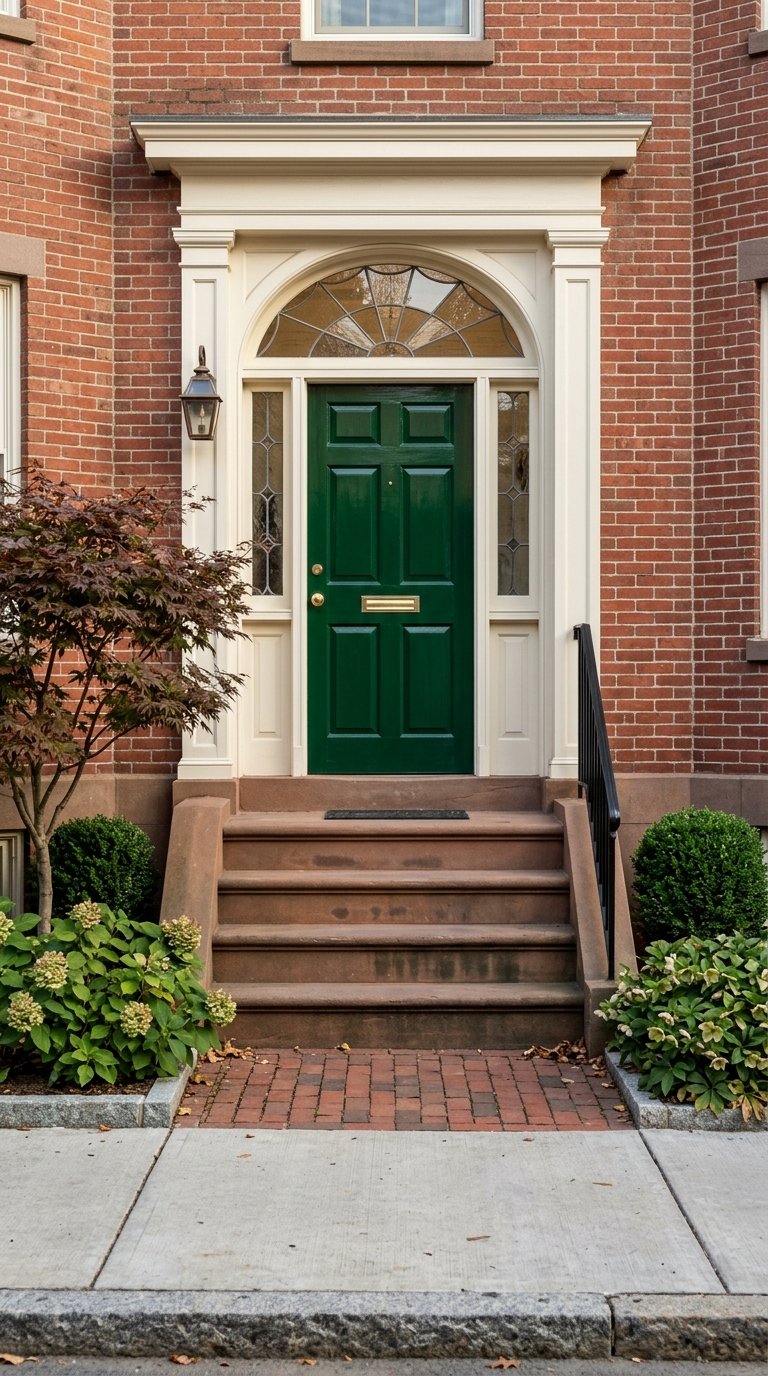
Selling a Historic Home in New Haven: Key Prep Steps
May 7, 2026
May 7, 2026
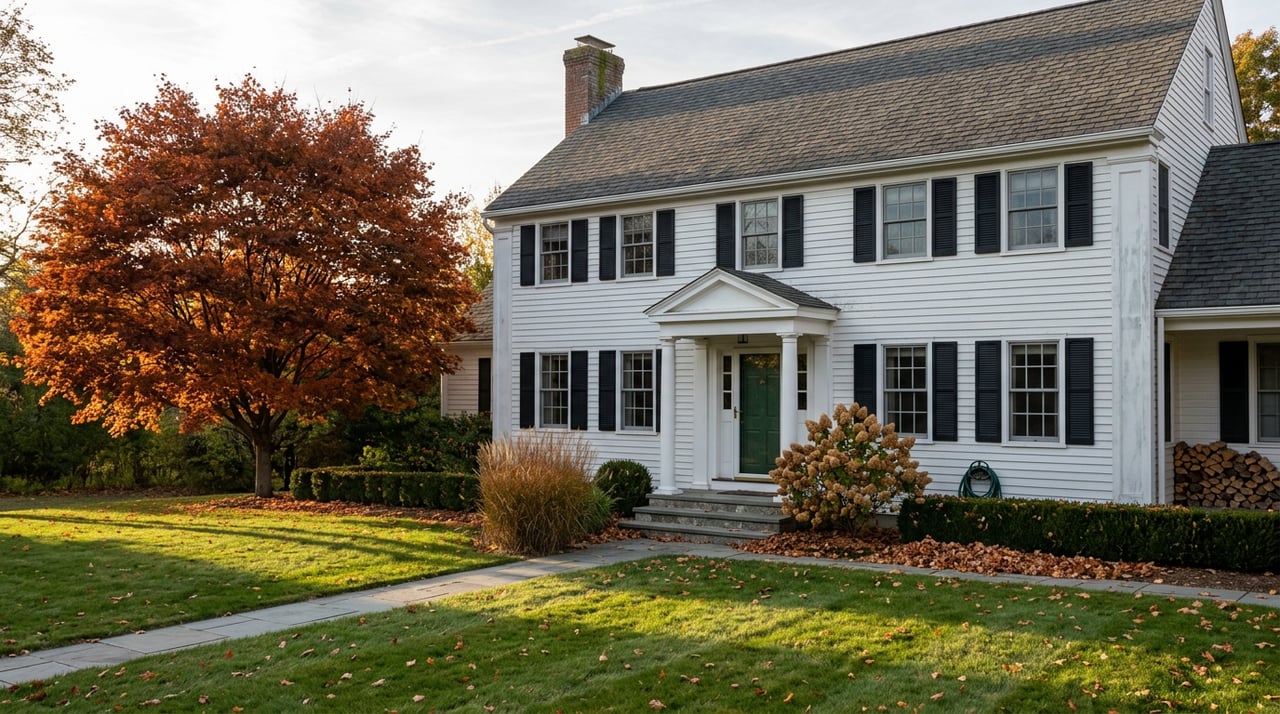
Selling a historic home in New Haven is not the same as listing any other property. If your house has original windows, detailed trim, an older porch, or a location tied to one of the city’s historic districts, the prep work matters just as much as the marketing. With the right plan, you can protect the home’s character, avoid costly missteps, and present it in a way that helps buyers see both its beauty and its condition. Let’s dive in.
Before you paint, replace, remove, or upgrade anything visible from the street, confirm whether your home is in a local historic district. New Haven identifies three local historic districts: Wooster Square, Quinnipiac River, and City Point, and the city’s Historic District Commission oversees exterior changes in those areas.
That matters because New Haven’s zoning ordinance requires a certificate of appropriateness before a building or structure in a historic district is erected, altered, restored, moved, or demolished. The commission reviews visible exterior features such as windows, doors, light fixtures, signs, mechanical equipment, and building materials.
Even if your home is not in one of those three local districts, do not assume historic review is off the table. New Haven’s demolition-delay ordinance can also affect properties listed in the Historic Resources Inventory, individually listed on the National Register of Historic Places, or contributing within a National Register Historic District.
Historic homeowners sometimes lose time and money by planning exterior work first and checking approvals second. In New Haven, that order can create delays if the proposed work affects street-visible architectural features.
A smarter approach is to verify district status and approval requirements before committing to contractors or materials. This is especially important if you are considering replacing windows, changing doors, altering a porch, or adding visible mechanical equipment.
When preparing a historic New Haven home for market, repair-first is often the safest path. Because the city’s review standards focus on exterior architectural features and materials, reversible repairs and like-for-like maintenance are generally more practical than rushing into full replacement.
That does not mean you should ignore deferred maintenance. It means you should be thoughtful about what truly needs replacement and what can be repaired, stabilized, or refreshed while preserving the home’s visible character.
Walk the exterior with a careful eye and make a list of anything that is visible from the street. Focus on:
If any of these need work, confirm approval requirements before scheduling the project. That extra step can help you avoid redoing work later.
For an older home, paperwork is part of preparation. Connecticut’s Residential Property Condition Report asks sellers to answer, to the best of their knowledge, questions about the property’s age, ownership or use-right issues, flood or wetlands status, and known conditions involving asbestos, lead paint, lead plumbing, foundation or slab problems, basement seepage, and prior foundation testing or repairs.
The form also makes clear that the seller, not the real estate licensee, completes the disclosure. That means your best preparation tool is an organized file that helps you answer accurately and confidently.
Start collecting:
If your home has been in the family for many years, this step is especially valuable. It gives buyers a clearer picture of what has been done and helps reduce confusion during the contract period.
Historic-home prep rarely works well as a last-minute project. If your house needs visible repairs or exterior work, a practical planning window is often about 6 to 12 months before listing.
That timeline gives you room for review requirements, contractor scheduling, permits, and the reality that one trade often depends on another. A mason may need to finish before the painter starts. A carpenter may need to repair porch elements before final exterior touch-ups happen.
Here is a practical way to think about the process:
| Timeline | What to Focus On |
|---|---|
| 6 to 12 months out | Confirm historic status, assess visible repairs, gather records |
| 4 to 8 months out | Get contractor quotes, verify registrations, define project scope |
| 2 to 4 months out | Complete repairs, refresh interiors, organize disclosures |
| 2 to 6 weeks out | Stage, photograph, and finalize market positioning |
This kind of runway can make the listing process feel far more manageable.
Older homes need the right hands. Connecticut’s Department of Consumer Protection recommends getting at least three quotes, verifying contractor registration, confirming who will pull any required permit, and using a written contract that spells out scope, materials, timeline, and payment schedule.
The state also says work should not begin during the three-business-day cancellation period unless an emergency waiver is properly signed. For sellers, the bigger takeaway is simple: clear paperwork protects you, your timeline, and your budget.
When you interview contractors, ask:
If the project affects a street-visible exterior feature, add one more question: have approval requirements been checked?
Historic homes win buyers over with character, but buyers still look for signs of care and stability. Your goal is to make the home feel well-kept, legible, and ready for its next chapter.
That starts with the basics. Repair obvious maintenance issues, simplify rooms, and make original features easier to see. In a historic house, good presentation often means removing distractions rather than adding too much.
For photos and showings, clear clutter and let the architecture speak. Features that often deserve to stay visible include:
This approach fits both preservation-minded presentation and practical staging. Buyers should be able to notice what makes the home distinct within the first few moments of walking in.
For many New Haven sellers, disclosure prep is one of the most important steps before going live. Connecticut’s current Residential Property Condition Report applies to transfers of residential real property of four dwelling units or fewer, including condominiums and cooperatives, and it must be given to the buyer before a binder, contract, option, or lease with a purchase option is executed.
If the seller does not furnish the report, Connecticut law requires a $500 credit to the purchaser at closing. That alone is a strong reason to prepare early rather than scramble later.
Because historic homes are often older, buyers tend to pay close attention to disclosure topics such as:
Good documentation does not make a house perfect. It does make the house easier to understand, and that can help buyers feel more confident.
Connecticut also has a separate Residential Foundation Condition Report tied to certain towns and transaction types under crumbling-foundation rules. For a New Haven seller, the key point is not to assume that form applies automatically.
Instead, confirm whether it is relevant to your specific transaction before relying on it. And if foundation concerns exist, remember that the state says this form is not a substitute for an inspection by a structural engineer.
Historic-home prep is a coordination project as much as a sales project. Connecticut’s Department of Consumer Protection says a seller’s agent can help with pricing, staging, and positioning the property, and that relationship should be documented in a written contract.
In practice, bringing in your listing agent early can help you make better decisions about what to repair, what to leave alone, and what will matter most in marketing. This is especially useful when the home needs coordination among painters, carpenters, roofers, inspectors, and stagers.
For New Haven historic properties, that early guidance can help you balance preservation, presentation, and timing. It can also help you avoid spending money on updates that do not improve market readiness.
The best historic-home sales in New Haven usually start with a clear plan. Confirm the home’s historic status, review exterior work carefully, organize your records, and give yourself enough time to coordinate repairs the right way.
From there, focus on presentation that respects the home’s architecture while making its condition and story easier for buyers to understand. If you are preparing a historic New Haven home for the market and want experienced guidance on timing, vendors, staging, and positioning, DiDi Strode can help you map out the next steps.
Stay up to date on the latest real estate trends.


Providing strategic guidance in city real estate, ensuring every client finds a home that fits both needs and dreams, while navigating the market with confidence, insight, and a focus on long-term satisfaction.