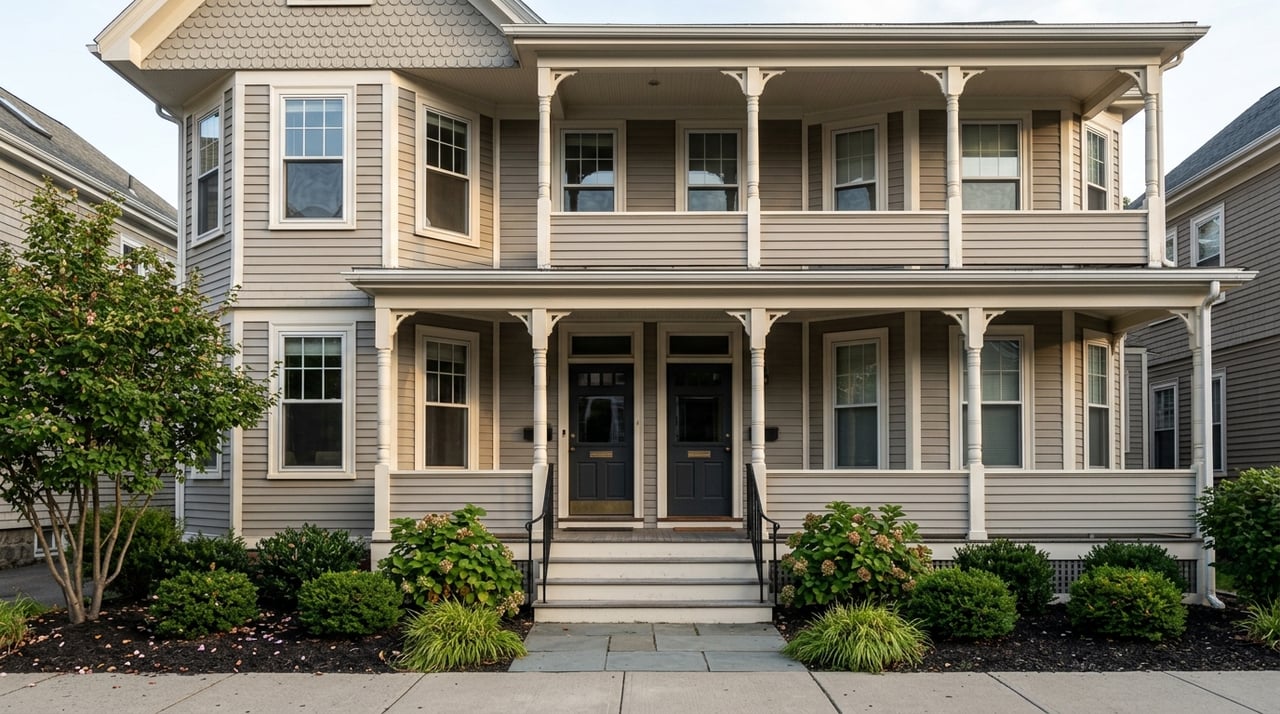
Planning A New Haven Multi Family Purchase From Offer To Close
May 14, 2026
May 14, 2026
Buying a multi-family in New Haven can be a smart move, but the path from accepted offer to closing is more detailed than many buyers expect. You are not just buying a building. You are also stepping into Connecticut closing rules, inspection deadlines, lender requirements, and in some cases, an active rental business. This guide walks you through what to expect so you can move forward with a clearer plan. Let’s dive in.
In Connecticut, a real estate closing that changes ownership of real property requires a Connecticut-admitted attorney. If you are financing the purchase with a mortgage secured by Connecticut real estate, attorney involvement is also required. For a New Haven multi-family purchase, that means your attorney should be part of the process early, not just at the closing table.
That early involvement matters because multi-family deals often come with extra moving parts. You may need contract review, inspection strategy, title work, tenant-related questions, and coordination with your lender. Bringing your attorney in early can help you spot issues before they turn into delays.
Once your offer is accepted, the timeline usually moves quickly. This is the stage where your contract details, disclosures, inspection plans, and financing steps all start to matter at the same time. In a multi-family purchase, staying organized early can make the rest of the transaction much smoother.
For properties with four dwelling units or less, Connecticut requires the seller to provide a Residential Property Condition Disclosure Report before you sign a binder, contract, option, or lease with purchase option. That report is not a warranty, and it does not replace your own inspections. If the seller does not provide it, the contract must include a $500 credit at closing.
Connecticut law makes an important point for buyers. The seller does not have to order inspections or tests for you. Instead, you are encouraged to inspect the property and hire experts as needed.
That means inspections should be treated as a real negotiation point in your contract. You will want clear timing for your inspection period, a plan for any specialists you may need, and a strategy for how you will respond if issues come up. On a multi-family, that can include the units themselves, common systems, and any visible maintenance concerns.
Consumer guidance also recommends scheduling the inspection as soon as possible after choosing the property. That timing helps you identify concerns early enough to make decisions within your contingency deadlines. If your inspection contingency is not satisfied, you may be able to cancel without penalty, depending on your contract terms.
In New Haven, many multi-family properties are older, so lead paint disclosure can be an important part of the process. For housing built before 1978, sellers and lessors must disclose known lead-based paint and known lead hazards before a buyer or tenant becomes obligated.
Connecticut guidance also notes that buyers may have a 10-day window for a lead inspection after contract. If you are buying an older two-, three-, or four-unit property, this is worth discussing early with your attorney and inspector so deadlines do not sneak up on you.
Many buyers use these terms interchangeably, but they serve different purposes. Your inspection is for you. It helps you understand the property’s condition and decide whether to move forward, renegotiate, or request repairs or credits if your contract allows.
The appraisal is generally for the lender. It is part of the loan process and helps the lender assess value for the mortgage. On a New Haven multi-family, both steps are important, and both need to be coordinated on time.
After your offer is accepted and you choose your lender, underwriting usually becomes the next major focus. At this point, expect requests for updated financial documents, insurance information, and title-related items. You will also need to keep pace with the appraisal and any lender follow-up questions.
For a two- to four-unit property, lenders may need more property-specific information than they would for a single-family home. Fannie Mae guidance says current lease agreements may be needed if those leases transfer to you. It also says gross monthly rent on the subject property must be documented for two- to four-unit principal residence and investment loans.
If the property is tenant-occupied, it helps to organize leases, rent amounts, and occupancy details as early as possible. Having that information ready can support appraisal and underwriting. If the property is vacant, or if an existing lease is not transferring, lease agreements may not be required for the loan file.
A multi-family closing budget should go beyond your loan estimate and down payment. In New Haven, recording and conveyance-related charges are part of the picture, and it helps to understand them before closing week.
Connecticut ties conveyance-tax filing to the recording of the deed. Form OP-236 must be filed and the tax paid when the deed is recorded. Under state law, apartment buildings, duplexes, nursing homes, and other multi-unit properties are treated as residential property other than residential dwelling for conveyance-tax purposes, with a general rule of 0.75% state tax plus 0.25% municipal tax. New Haven’s city clerk also separately lists a City Conveyance charge on land records.
You should also expect recording fees. New Haven’s land-records counter currently lists recording hours of 9:00 a.m. to 4:00 p.m. and fees of $70 for the first page plus $5 for each additional page. Your attorney will typically coordinate the recording side, but it is still helpful to know where these costs come from.
Closing dates and tax timing can affect your cash planning. In New Haven, municipal taxes run on a July 1 to June 30 fiscal year. The city says the buyer is responsible for the next bill after closing, and New Haven typically mails one real estate bill in June.
That does not mean every closing works the same way, since prorations are handled within the transaction. It does mean you should ask early how the tax calendar may affect your first months of ownership. For buyers watching renovation budgets, reserve funds, or rent turnover, that timing matters.
As closing gets closer, the process becomes more document-driven. Your lender finalizes underwriting, title work is reviewed, insurance is lined up, and your attorney prepares for the transfer and recording. This is the point where steady communication really helps.
Consumer guidance says you must receive your Closing Disclosure at least three business days before closing. That gives you time to review your final loan terms and closing costs. If something looks different from what you expected, you will want to raise it right away.
A practical closing checklist for a New Haven multi-family purchase often includes:
When you buy a tenant-occupied multi-family, the closing is only part of the transition. You also need a clean handoff of leases, security deposits, and tenant communication. This is one area where planning ahead can save you stress after closing day.
Connecticut’s Identification of Landlord law requires written notice, at the time ownership changes, of the name and address of the person managing the premises and the person who receives notices and service. If you are inheriting tenants, this should be part of your closing calendar, not an afterthought.
You will also want to confirm how security deposits are being handled. Connecticut guidance says the deposit remains the tenant’s property and must be kept in a Connecticut escrow account. In most cases, the deposit cannot exceed two months’ rent, and for tenants age 62 or older, it generally drops to one month.
When a tenancy ends, the landlord must return the deposit or send written notice of damages within 21 days. If the tenant has not provided a forwarding address, that deadline extends to 15 days after the address is received. If you are buying an occupied property, clear accounting for deposits should be part of your due diligence and closing prep.
A New Haven multi-family purchase can also trigger local rental compliance responsibilities. The city requires a Residential Rental Business License and inspection when one or more units are rental units in a two-or-more-unit residential structure.
According to the city, two- and three-family non-owner-occupied properties and four-plus-unit properties must be licensed. Owner-occupied two- and three-family homes are exempt. If you are buying with plans to rent units, this is an important step to understand before the deed is filed.
From a buyer’s perspective, the easiest way to think about a New Haven multi-family purchase is to break it into phases. First, protect yourself in the contract with the right inspection and disclosure timing. Next, keep your financing file and property documents organized. Then, prepare for closing logistics, tenant handoff, and any rental licensing requirements that apply.
That process may sound like a lot, but it becomes manageable when you know what is coming. In a market like New Haven, where multi-family properties can include older housing stock, existing tenants, and city-specific requirements, a detailed plan is one of your best tools.
If you are weighing a duplex, three-family, or four-unit purchase in New Haven, having local guidance can make the process feel far less overwhelming. For a practical, step-by-step plan tailored to your goals, connect with DiDi Strode.
Stay up to date on the latest real estate trends.









Providing strategic guidance in city real estate, ensuring every client finds a home that fits both needs and dreams, while navigating the market with confidence, insight, and a focus on long-term satisfaction.