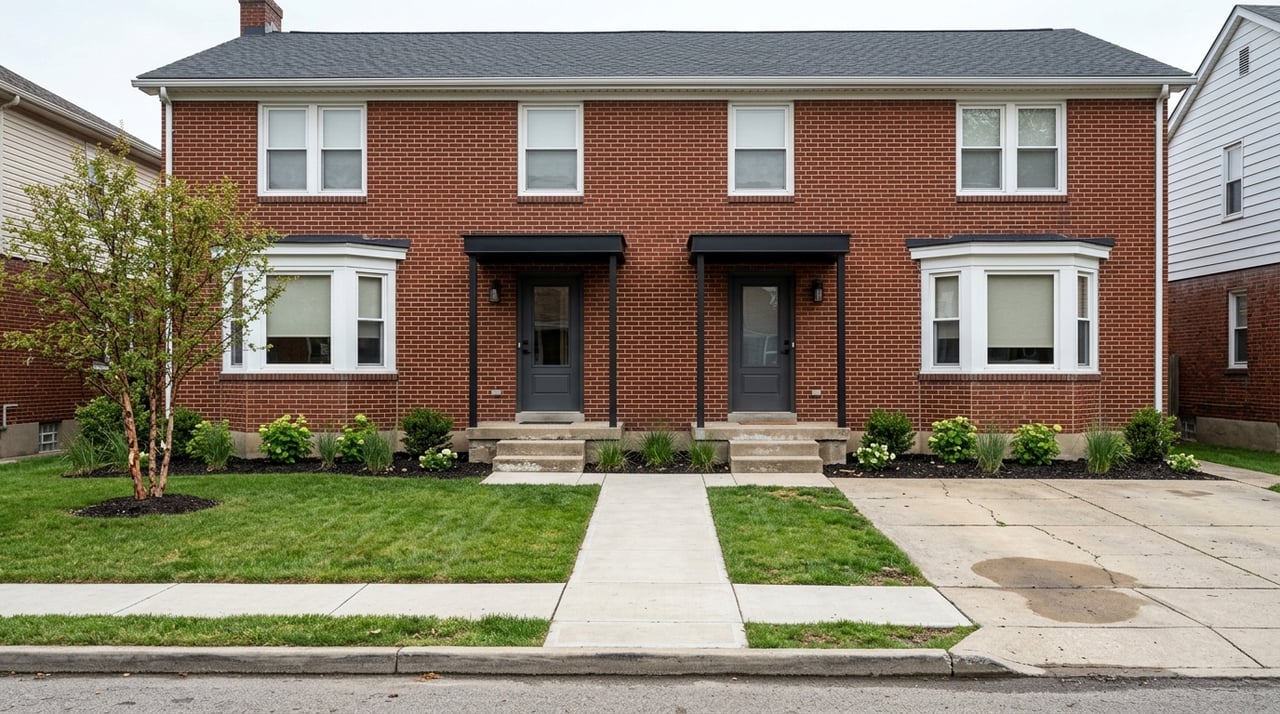
North Haven CT Multi Family Homes: A Smart Place to Start
June 4, 2026
June 4, 2026
Thinking about buying a multi family home in North Haven? You are not alone. For many buyers, a 2 to 4 unit property can be a practical way to offset housing costs, build equity, and start investing without jumping into a much larger property. If you want to understand what makes North Haven a sensible place to begin, what numbers to watch, and what due diligence matters most, this guide will walk you through it. Let’s dive in.
North Haven is a relatively stable, owner-occupied town with a 2025 population estimate of 24,799 and 9,586 households. About 81.3% of homes are owner-occupied, which helps frame the town as more of a long-term residential market than a high-turnover rental market.
That stability shows up in mobility data too. About 90.1% of residents lived in the same house one year earlier. While that is not a vacancy measure, it does suggest lower churn than you might see in a more transient market.
For a first-time multi family buyer, that matters. If you are considering house hacking or buying a smaller investment property, North Haven may feel more like a steady suburban market than a pure cash-flow play.
North Haven benefits from strong regional access. Town economic development materials point to Route 15, U.S. Route 5, Routes 10, 17, and 22, multiple I-91 access points, the Route 40 connector, plus rail and bus service.
That kind of connectivity can support demand from a broad range of renters. It may appeal to commuters heading toward New Haven, as well as people working in education, medical care, manufacturing, distribution, and warehousing nearby.
The town also has limited residential land inventory, according to local economic development materials. Combined with its suburban setting and regional access, that can help explain why North Haven stays on the radar for buyers who want a more stable small multi family market.
In North Haven, the legal use matters just as much as the layout. Town zoning regulations define one-family dwellings, two-family dwellings, and multiple dwellings as separate categories, with multiple dwellings covering three or more families.
That means a property that looks like a 2-family or 3-family home still needs to match town records and zoning. Before you focus on projected rent or renovation ideas, you want to confirm that the current use is legal or legal non-conforming.
This point also matters for financing. Fannie Mae’s property eligibility guidance for one- to four-unit properties requires the use to be legal or legal non-conforming, and the property must be safe, sound, structurally secure, accessible by roads that meet local standards, served by utilities, and suitable for year-round use.
Most first-time buyers looking at multi family homes focus on 2-unit, 3-unit, and 4-unit properties. That is because both zoning categories and mainstream financing rules make those unit counts the most relevant breakpoints.
For owner-occupants, this is often the sweet spot. You may be able to live in one unit and collect rent from the others while still shopping in the residential financing world rather than moving into larger commercial property territory.
If you are just getting started, it usually helps to think of the search in two buckets:
Rent data is helpful, but it works best as a guide rather than a promise. In North Haven, the Census reports a median gross rent of $1,720.
For a broader public benchmark, Connecticut DOH rent limits for the South Central Connecticut Planning Region, labeled as the New Haven MSA, list current rents at:
These numbers are useful for bracketing possibilities, not setting an exact asking rent for every unit. Unit condition, layout, updates, and location still matter.
A simple way to think about it is this: the townwide median gross rent of $1,720 gives you a baseline, while the public DOH benchmark for a 2-bedroom at $1,969 suggests that a well-maintained or updated unit may support a higher rent if the property quality justifies it.
If you plan to owner-occupy a 2 to 4 unit property, rental income from the other units may help with qualification. Fannie Mae and Freddie Mac both support financing for one- to four-unit properties, and Freddie Mac states that mortgages are available for 2- to 4-unit owner-occupied primary residences with rental income from the other units considered in borrower qualification.
That said, lenders do not usually count every dollar of projected rent at full value. Fannie Mae notes that for 2- to 4-unit properties, gross monthly rent is generally multiplied by 75% when lease or market-rent documentation is used.
This is one reason conservative math matters. If a property only works when you count 100% of future rent, your numbers may be too tight.
When you are comparing options, keep your first pass simple. Start with the unit mix, likely rent range, and your own monthly housing budget.
Then ask:
This kind of framework can help you avoid chasing a property that looks good on paper but becomes stressful in real life.
With small multi family homes, the details behind the listing matter a lot. A lower price does not always mean a better opportunity if the legal use is unclear or the building needs major work.
Before making an offer, you should verify the legal unit count, permit history, and certificate of occupancy or equivalent records. You also want to compare the current use to town zoning and lender standards.
This is especially important in older housing stock. A property may have been used a certain way for years, but what matters is whether that use is recognized and acceptable under town records and financing guidelines.
Lenders for 1 to 4 unit residential properties typically want homes that are safe, sound, and suitable for year-round use. That means deferred maintenance, structural issues, utility concerns, or access problems can all affect your loan path.
For buyers, this is a reminder to look past cosmetic appeal. Updated kitchens are nice, but legal use, building systems, and overall condition often carry more weight during financing and inspection.
In practical terms, a cleaner deal is often the one where the property’s legal use, condition, and documentation all line up clearly from the start.
If you are buying an older multi family property, lead-based paint rules should be on your radar. The EPA states that the lead disclosure rule applies to most pre-1978 housing at sale or lease.
Sellers, landlords, property managers, and agents must disclose known lead-based paint information and provide the required pamphlet before contract or lease signing. If the property you are considering was built before 1978, this should be part of your transaction checklist.
For a buyer planning to live in one unit and rent the others, this is not just a paperwork item. It is part of understanding your future responsibilities as an owner.
North Haven is not just a numbers story. It is a town with a strong owner-occupied base, regional access, and a practical rental baseline that can make sense for buyers who want a manageable entry into multi family ownership.
The local data suggests a market that may suit owner-occupants and small investors who value stability and location more than chasing the highest possible yield. If your goal is to reduce your housing cost, build equity over time, and learn the ropes with a 2 to 4 unit property, North Haven is worth a closer look.
The key is to buy with a clear process. Understand the legal use, use public rent data carefully, stay conservative with financing assumptions, and pay close attention to condition and records.
If you are exploring multi family homes in North Haven and want local guidance on how to evaluate the numbers, property type, and next steps, DiDi Strode can help you build a smart plan.
Stay up to date on the latest real estate trends.


Providing strategic guidance in city real estate, ensuring every client finds a home that fits both needs and dreams, while navigating the market with confidence, insight, and a focus on long-term satisfaction.