Madison CT Shoreline Living: What Buyers Should Know
March 24, 2026
March 24, 2026
Imagine starting your morning with a quiet walk along Long Island Sound, then heading to a lively New England green for coffee and errands. If you’re exploring a move to Madison or eyeing a coastal getaway, you want the real story on beaches, downtown life, housing, utilities, and commute options. This guide gives you a clear look at shoreline living in Madison so you can plan with confidence. Let’s dive in.
Madison’s signature coastal amenity is Hammonasset Beach State Park, the largest public beach park in Connecticut. You’ll find miles of shoreline, a broad boardwalk, nature trails, the Meigs Point Nature Center, and a state-run campground with 558 sites and cabins. On peak summer weekends, the park is popular and can reach capacity, and out-of-state vehicles pay entry or parking fees. For up-to-date details on facilities, hours, and fees, check the official page for Hammonasset Beach State Park.
Beyond the state park, Madison maintains several town beaches commonly known as the Surf Club/Garvan Point, East Wharf, and West Wharf. These are the spots where local beach culture centers and where short-access waterfront living shines. Parking stickers and seasonal rules are managed by the Town’s Beach & Recreation office. Review current policies on Madison’s Beaches page before your first beach day.
Madison Center is compact, walkable, and built around a classic New England green. You can browse independent shops, stop by the well-known RJ Julia bookstore, and visit a weekly farmers market that runs from May through November. The downtown stays active year-round, while the shoreline areas see a clear summer rhythm. For dining and visitor options, the local guide at Visit Madison CT is a helpful starting point.
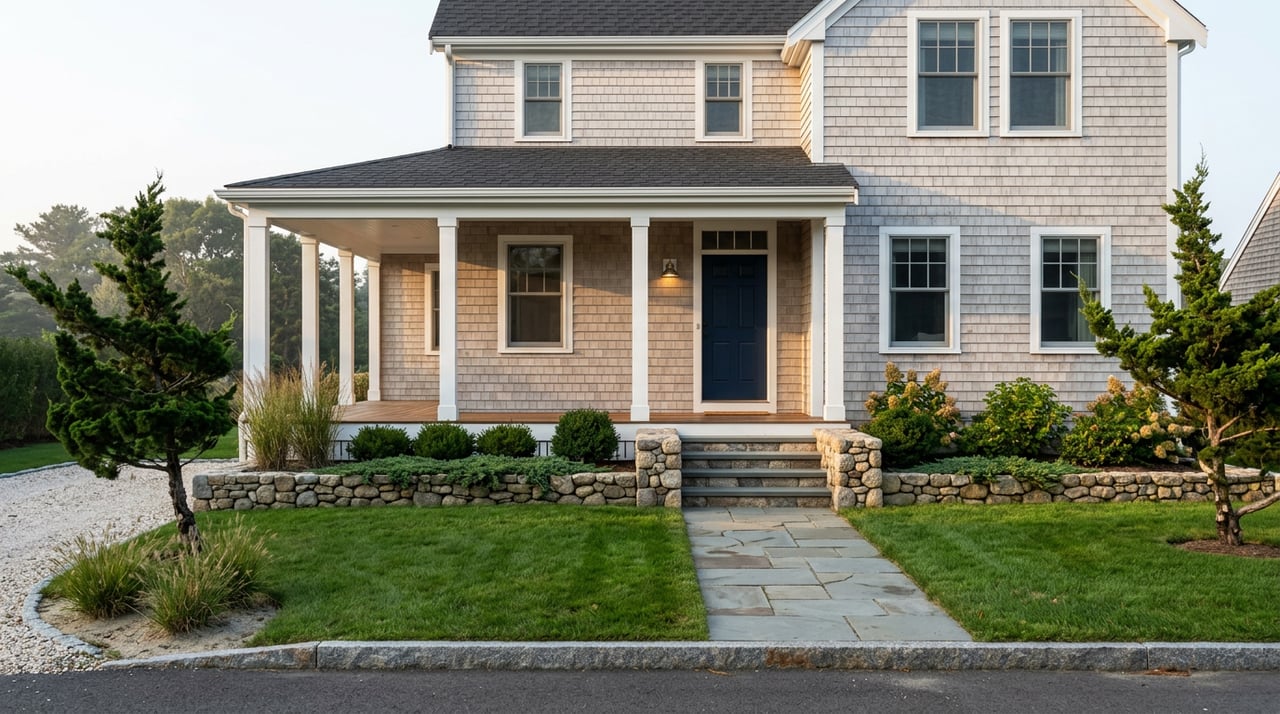
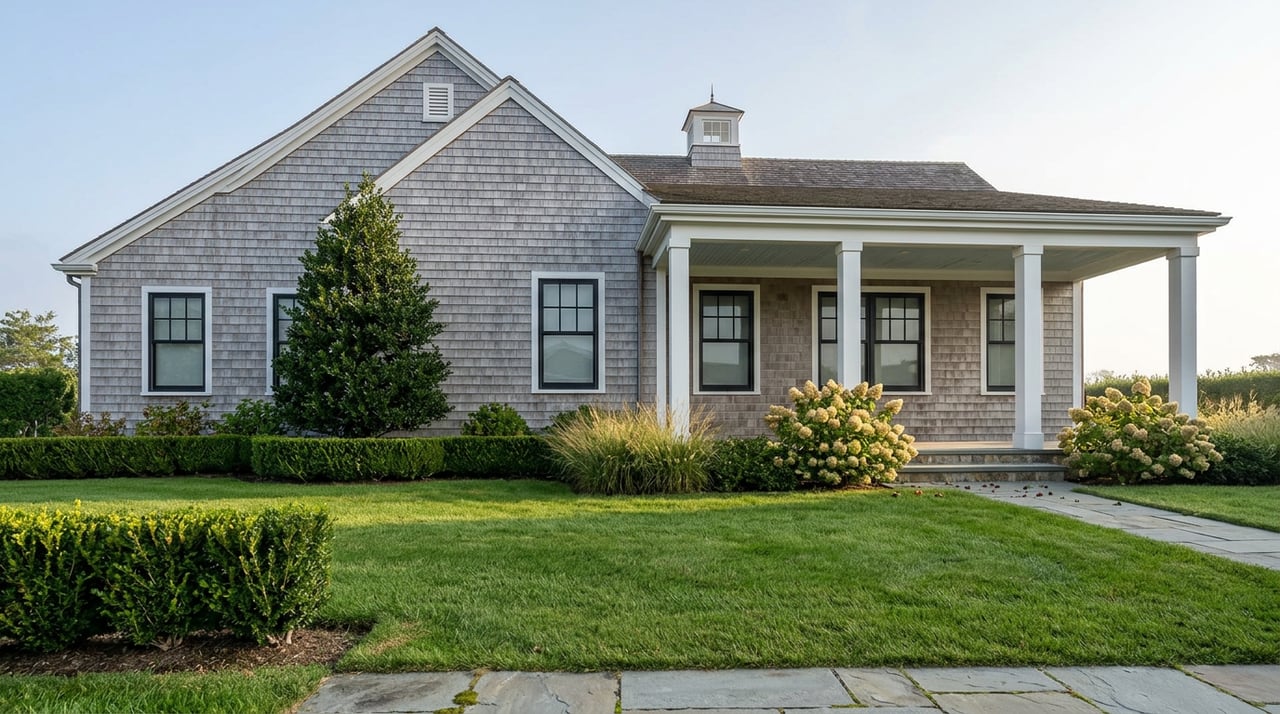
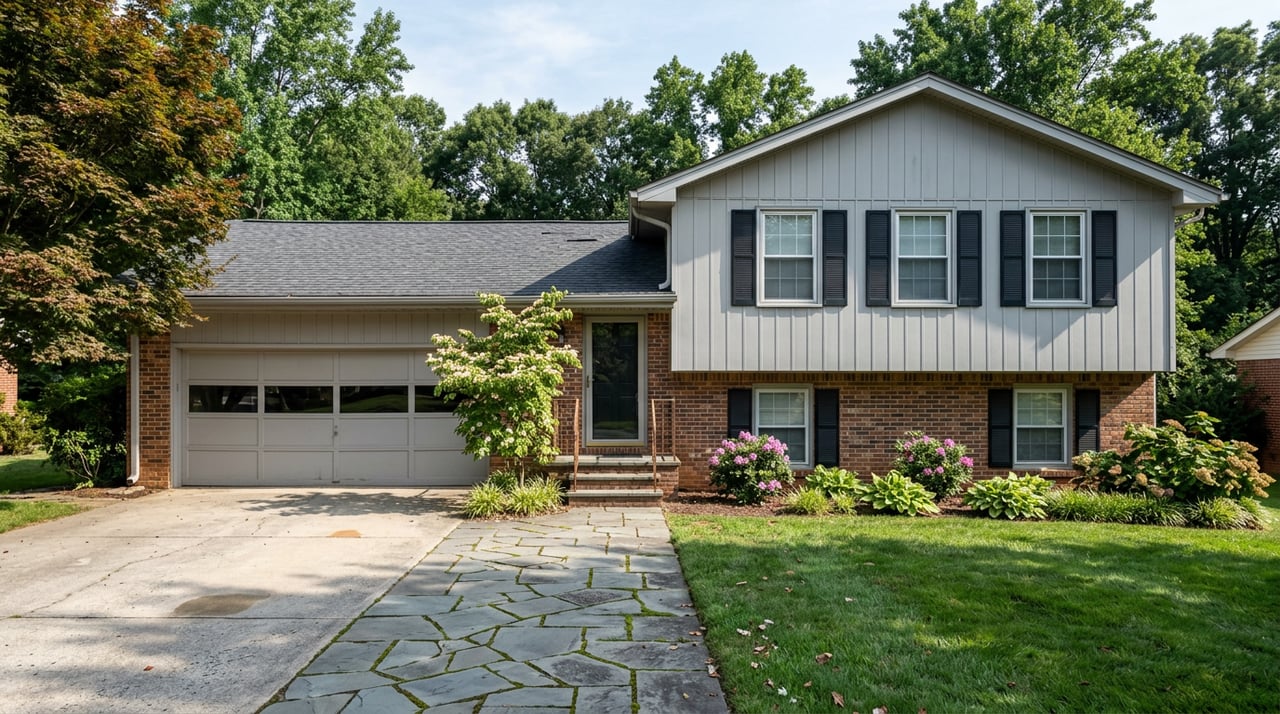
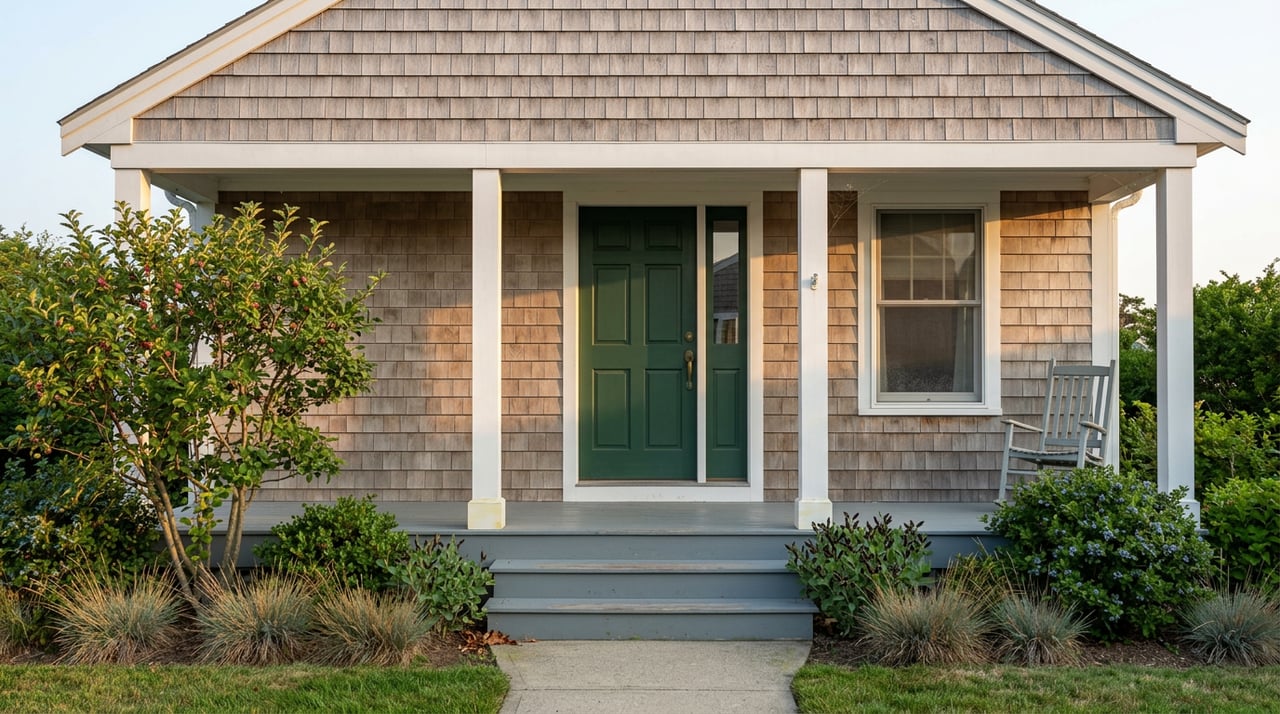
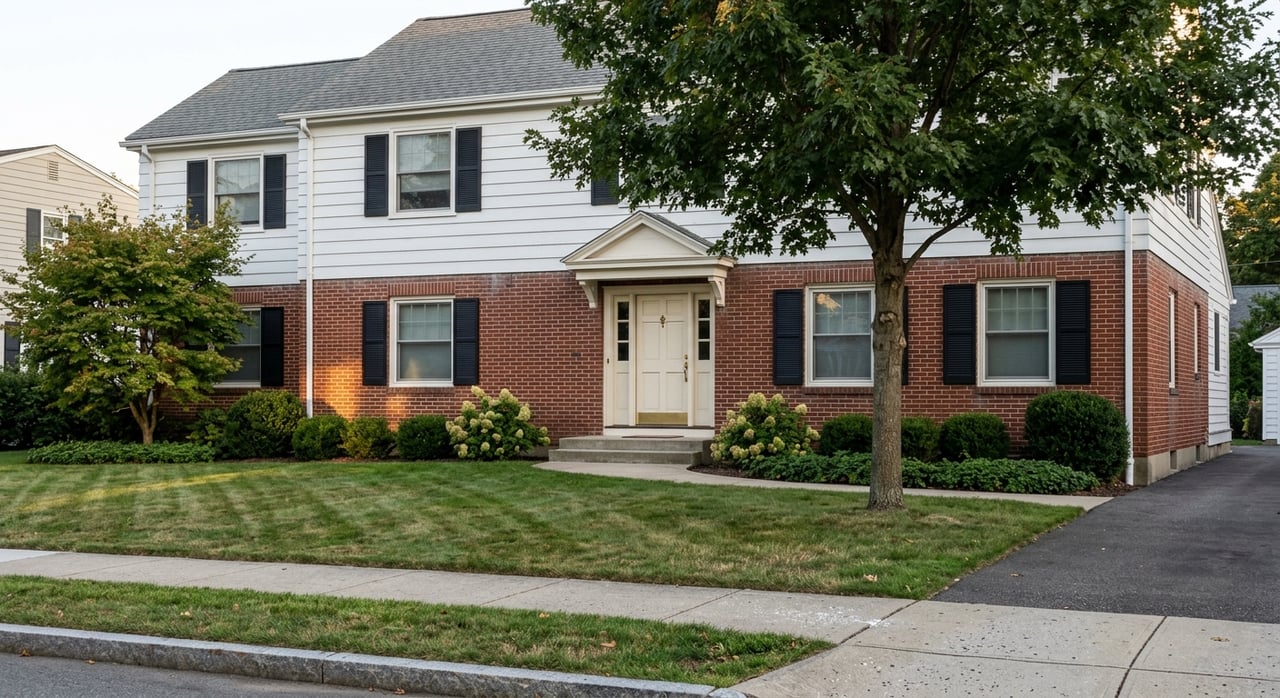
Shoreline Madison offers a range of home styles. Near the water, you’ll see shingle-style and cottage-scale beach houses alongside period homes and some contemporary beachfront rebuilds. Inland, the pattern is predominantly single-family neighborhoods with larger post-war and modern homes, plus a few condo and townhouse communities near key corridors and centers. The mix allows you to balance proximity to the Sound with space and privacy inland.
Lot sizes tend to be smaller along the coast and larger as you move inland. Town planning documents emphasize a largely single-family pattern outside limited centers, which shapes what kinds of new development are feasible. Public water service is concentrated in the southern shoreline area, while many properties north of I‑95 rely on private wells. Wastewater across much of town is handled by on-site septic systems, which can affect renovation plans and higher-density options; you can review these patterns in the town’s Plan of Conservation & Development working draft.
As background, recent American Community Survey estimates report a median value of owner‑occupied housing near $583,900 for Madison. These figures are not the same as current list or sale prices, which can shift with the market. Before you make an offer, ask for a current MLS snapshot of active inventory, recent sales, and trends so you can calibrate your budget. A clear pricing picture makes it easier to decide whether the shoreline, a walkable center location, or an inland setting best fits your goals.
Madison is a year-round community with a noticeable summer upswing. Town planning documents cite 2010 Census data showing about 10% of housing used for seasonal, recreational, or occasional purposes. Summer visits to Hammonasset boost daytime population, and some owners treat properties as second homes with varying degrees of winterization. If you’re planning a seasonal cottage or a year-round conversion, expect to review local regulations and building considerations noted in the town’s planning materials.
Coastal buyers should factor in flood zones, insurance requirements, and long-term resilience. Confirm your property’s flood zone, expected insurance costs, and elevation information before finalizing terms. The town’s planning documents also note the need to consider sea-level rise and storm risk; you can find relevant context in Madison’s POCD working draft. Your inspection and due diligence checklist should include drainage, bulkheads or shoreline features where applicable, and utility locations.
Utility setup can vary by location. Southern shoreline neighborhoods are more likely to have public water, while areas north of I‑95 often use private wells. Wastewater is predominantly on-site septic town-wide, so factor in septic inspections, capacity, and any recommended upgrades when you plan renovations or expanded occupancy. These infrastructure details will shape your maintenance cycle, vendor contracts, and long-term costs.
If you commute or travel often, you have multiple options from Madison. CTrail’s Shore Line East serves Madison Station with trains to New Haven, where you can connect to Metro‑North and Amtrak services. You can review routes, schedules, and station details on the Shore Line East Madison Station page. I‑95 is the primary highway link along the coast for day trips and regional travel.
Set between Guilford to the west and Clinton to the east, Madison offers a combination that stands out: the state’s largest beach park paired with a classic, walkable downtown green. That mix supports both a strong year-round community and an active summer season. Planning context and Census profiles show housing values and household incomes above regional averages, and zoning that emphasizes single‑family neighborhoods with limited multifamily areas outside the center. If you want a coastal town with a robust public beach experience and a true small-town center, Madison is a compelling fit.
If school data is part of your research, third-party sources provide helpful summaries. Niche reports an A+ overall rating for Madison Public Schools. Always review multiple sources and visit official district resources to confirm the latest information.
Madison’s shoreline has a rhythm all its own, and the details matter when you’re deciding between beachfront charm and inland breathing room. If you’d like a clear plan for showings, inspections, utilities, and coastal due diligence, we can help you move forward with confidence. Sellers can also benefit from a design-forward prep plan and a data-backed pricing strategy. For a neighborhood consult or to get started with a complimentary home valuation, connect with DiDi Strode.
Stay up to date on the latest real estate trends.

Providing strategic guidance in city real estate, ensuring every client finds a home that fits both needs and dreams, while navigating the market with confidence, insight, and a focus on long-term satisfaction.