Milford CT Condo and Townhome Buying Guide
June 11, 2026
June 11, 2026
Buying near the Connecticut coast can sound simple until you start comparing HOA fees, flood-zone questions, parking rules, and ownership documents. If you are considering a condo or townhome in Milford, you want the easier lifestyle these homes can offer, but you also need to know exactly what you are buying. This guide walks you through the key details that matter in Milford so you can ask better questions, compare communities clearly, and move forward with confidence. Let’s dive in.
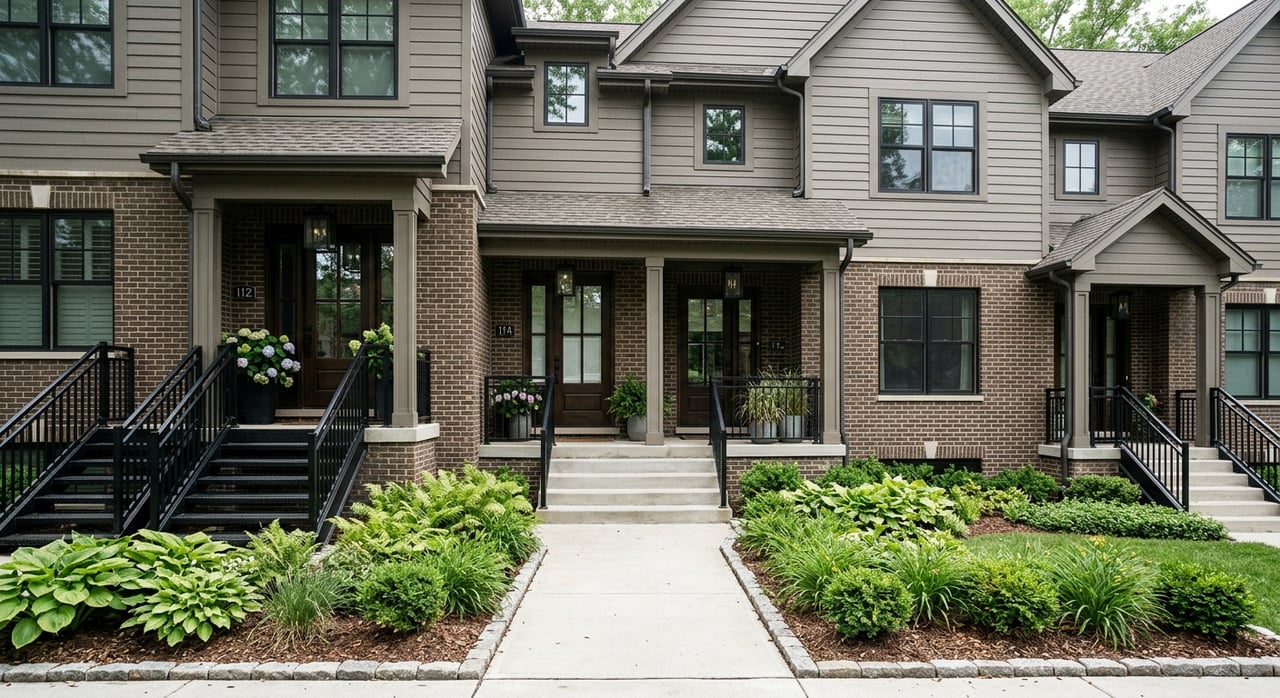
One of the biggest mistakes buyers make is assuming the exterior style tells them the ownership structure. In Milford, you may see attached homes that look like townhomes, but the legal setup could still be a condominium or another type of common interest community.
That matters because ownership can affect what you are responsible for, what the association maintains, and what rules apply. Before you fall in love with a layout or location, confirm whether the home is a condo, a fee simple townhome, or a townhome within a condo or planned community.
A condo usually means you own your unit and share ownership of common areas with other owners. A townhome refers to a style of home, often attached and spread over two or three levels, but that style alone does not tell you whether you own the land, roof, exterior, driveway, or garage.
In Connecticut, common interest communities can include condos, co-ops, and planned communities. That is why it is smart to review the deed, declaration, and bylaws before making assumptions about maintenance or ownership rights.
Milford offers a wide range of condo and townhome living, and the differences can be significant from one development to the next. Some communities may be fairly simple, while others may include a broader package of shared amenities and services.
Milford’s zoning regulations show that multifamily communities in the city may include features such as pools, clubhouses, lounge areas, detached garages, mail buildings, fitness centers, co-working spaces, cabanas, fire pits, EV charging, and bike-related amenities. That does not mean every community has these features, but it gives you a sense of the range you may find.
Amenities can make day-to-day living more convenient, especially if you want lower-maintenance ownership. At the same time, more shared features can mean higher HOA fees, more maintenance obligations for the association, and more to review in the budget.
When you compare properties, ask not just what amenities exist, but how they are maintained and funded. A pool, clubhouse, or garage can be a real plus, but you will want to know whether reserves are keeping up with future repair and replacement needs.
In Connecticut, the Department of Consumer Protection recommends that condo buyers review association documents before signing. That advice is especially important if you are buying in a community where rules may affect your daily life or future plans.
Ask for the declaration, bylaws, rules and regulations, a recent budget, and the last 12 months of meeting minutes. These documents can tell you a lot about how the community operates and whether there are issues that could affect your comfort, costs, or flexibility.
Association rules can cover pets, leasing, occupancy, exterior changes, and other day-to-day matters. If you are hoping to rent the property later, keep a pet, or make exterior updates, do not assume those things are allowed.
It is also helpful to ask whether you can attend a board meeting or speak with board representatives before closing. That extra step can give you a better feel for how the association handles communication, maintenance, and decision-making.
A condo or townhome can look like a great value on paper, but the monthly fee is only part of the picture. You also need to understand the financial health of the association.
Connecticut guidance highlights several items that buyers should review, including monthly common charges, reserve amounts, approved capital spending, unpaid charges, and delinquent owners. On resale transactions, sellers must provide statements that cover capital expenditures and the status and amount of reserve funds.
Reserve funds are money set aside for major repairs and replacement items. If reserves are too low, owners may face special assessments when the community needs work on roofs, paving, siding, common mechanical systems, or other shared elements.
Ask for the current reserve balance and whether any large projects are planned. You should also ask how recent or upcoming common-element repairs will be funded and whether any special assessments are possible.
HOA fees vary widely, and two properties with similar asking prices may have very different monthly costs. That is why it helps to break the fee down instead of treating it like one all-purpose number.
Ask whether the fee covers water, sewer, trash, common-area maintenance, reserve contributions, and recreational amenities. Also ask whether there are separate charges beyond the regular monthly dues.
In Milford, property taxes are generally separate from HOA dues. The city’s tax collector handles real estate taxes as well as sewer use fees, sewer assessments, and sewer laterals, so these items may appear separately on your city bill.
For FY 2025-26, Milford lists a mill rate of 29.55 mills. The city also states that real estate and sewer bills are typically mailed by the end of June, and if the bill is more than $200, the first half is due July 1 and the second half is due January 1.
Milford’s coastal setting is part of its appeal, but shoreline living comes with practical questions that condo and townhome buyers should not ignore. If you are looking near Walnut Beach, Gulf Beach, Woodmont, or other water-adjacent areas, it is worth slowing down and doing extra homework.
Milford is home to beaches and shoreline destinations including Walnut Beach, Anchor Beach, Gulf Beach, and Silver Sands State Park. Silver Sands includes more than a half mile of shoreline and a boardwalk connection with Walnut Beach, and the area around Charles Island can experience tidal flooding and dangerous currents.
If a home is near the water, ask whether the exact address, building, or parking areas fall within a mapped flood zone. The official source for flood-hazard information is FEMA’s Flood Map Service Center, and if a property is in a designated Special Flood Hazard Area, flood insurance is generally required with a mortgage.
This is not just about the unit itself. Parking areas, lower-level storage, and shared building systems can also be affected by flood exposure, so ask what the association’s master policy covers and what you may need to insure separately.
Insurance is another area where condo and townhome buyers can get surprised. The association may carry a master policy, but that does not automatically mean every risk or every part of your home is fully covered.
Ask whether the master policy includes wind or flood coverage, what deductibles apply, and what your own policy would need to cover. This can be especially important in shoreline locations where weather-related risks may affect both cost and coverage needs.
If part of Milford’s appeal for you is easy access to the shoreline, think about how that fits your day-to-day budget and routine. Local parking rules can matter more than buyers expect, especially in the summer months.
Milford states that from May 1 through September 30, parking at Gulf Beach and Walnut Beach requires a resident sticker or a paid daily, hourly, or seasonal option. The city also says resident stickers require a current vehicle registration and taxes paid up to date.
Within the community itself, ask how resident parking, guest parking, and overflow parking are handled. If you expect visitors in summer or you want regular beach access, those details can influence which property feels easiest to live in.
This is a small detail that can make a big difference once you move in. A well-located condo is only convenient if the parking setup works for your actual lifestyle.
Before you make an offer on a condo or townhome in Milford, use this checklist to stay organized:
Condo and townhome purchases often involve more moving parts than buyers expect. You are not just evaluating the home itself. You are also evaluating the association, the financials, the rules, the insurance setup, and in some parts of Milford, the added layer of shoreline exposure.
That is where local, process-focused guidance can make the experience much easier. When you know which documents to request and which Milford-specific costs to flag early, you can avoid surprises and make a cleaner decision.
If you are thinking about buying a condo or townhome in Milford, DiDi Strode can help you compare communities, review the right questions, and navigate the process with a calm, organized plan.
Stay up to date on the latest real estate trends.



Providing strategic guidance in city real estate, ensuring every client finds a home that fits both needs and dreams, while navigating the market with confidence, insight, and a focus on long-term satisfaction.