Living in Woodbridge CT Near New Haven: A Local Guide
April 2, 2026
April 2, 2026
If you want more space without losing your connection to New Haven, Woodbridge is one of the first places worth a closer look. You may be searching for a quieter setting, a shorter drive to work, or a home with more land and privacy than you typically find closer to the city. The good news is that Woodbridge offers that balance in a very practical way. Let’s dive in.
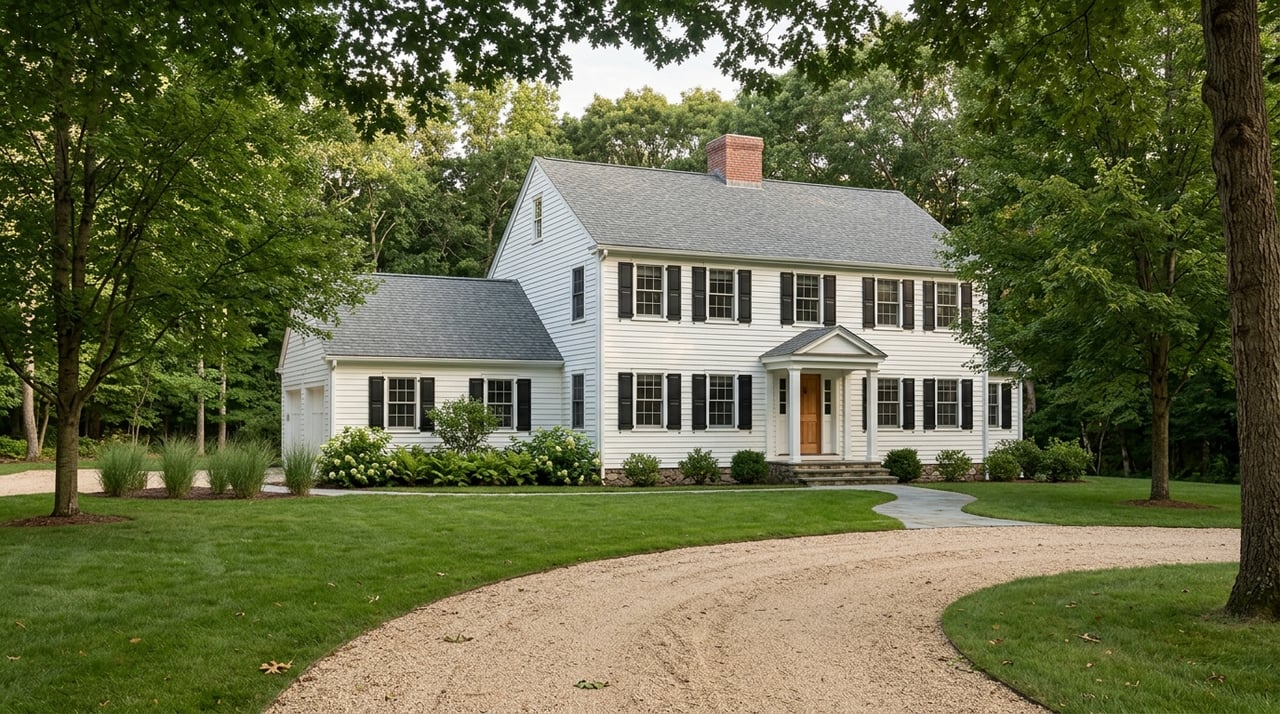
Woodbridge is a small town in New Haven County with an estimated 9,130 residents as of July 1, 2024, according to the U.S. Census Bureau. The town describes itself as a rural-like community with rolling countryside and mostly one-family homes on lots of 1.5 acres or more.
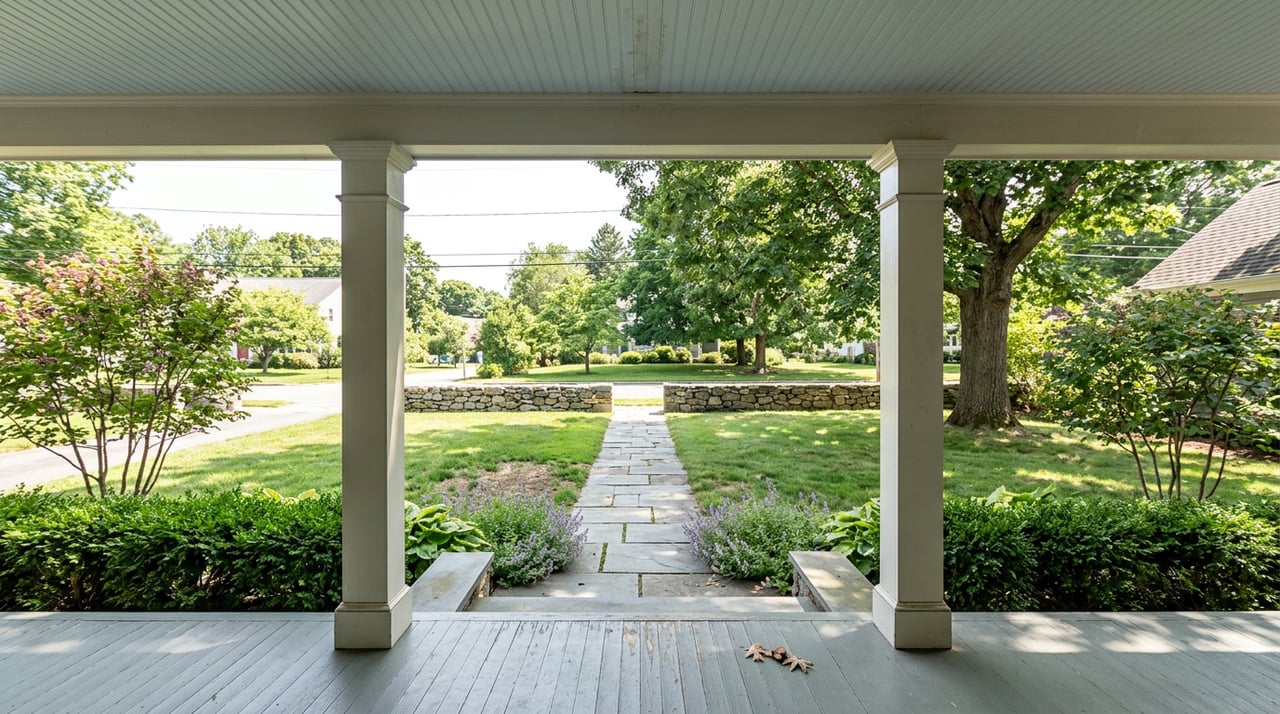
That setting creates a very different day-to-day feel from New Haven. Instead of denser blocks and more compact housing, you are more likely to find larger yards, wooded surroundings, and a lifestyle built around driving, outdoor space, and quieter residential streets. At the same time, Woodbridge is still about five miles northwest of downtown New Haven, which helps keep the city within easy reach.
Living in Woodbridge often means trading walk-everywhere convenience for room to spread out. If you like the idea of more privacy, more trees, and a little more breathing room at home, that trade may feel well worth it.
The commute picture supports that lifestyle. Census data lists a mean travel time to work of 24.8 minutes, suggesting that Woodbridge fits well for people who commute into New Haven or other nearby employment centers while still wanting a more suburban home base.
The town also notes that residents are within minutes of New Haven’s cultural, educational, medical, entertainment, and business services, with access to I-95, I-91, the Merritt Parkway, and Route 8 through the regional road network on the town’s welcome page. If you work in or around the city, that connection can be a major advantage.
One of Woodbridge’s biggest selling points is that it gives you a quieter setting without cutting you off from the city. The town says it is about five miles from downtown New Haven, which makes it a realistic option if you want access to dining, arts, universities, hospitals, and business centers.
That can matter a lot if your schedule ties you to New Haven. For example, Yale New Haven Hospital maintains major campuses in New Haven, reinforcing the town’s connection to the area’s medical core. If you need to be near those institutions but do not want to live in a denser neighborhood, Woodbridge can offer another path.
Woodbridge is largely a single-family home market, and that alone helps set expectations. If you are looking for detached homes, larger lots, and a less uniform housing stock, this town fits that profile better than many nearby areas.
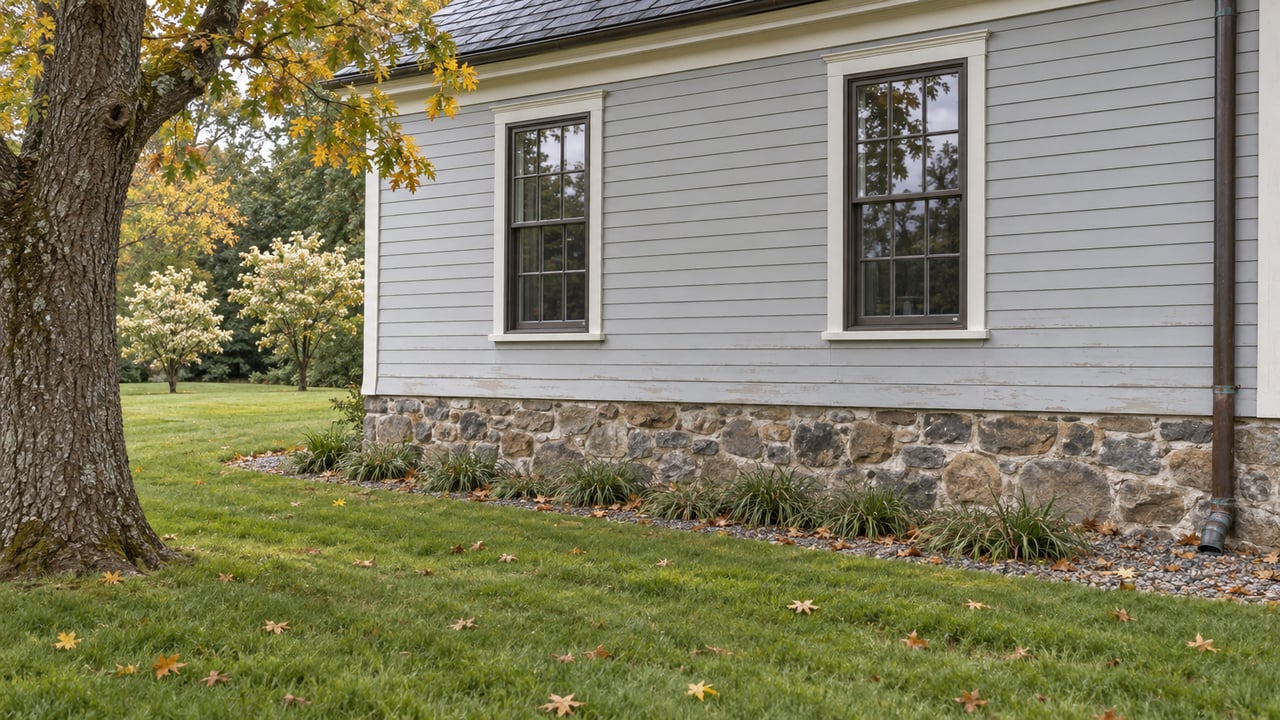
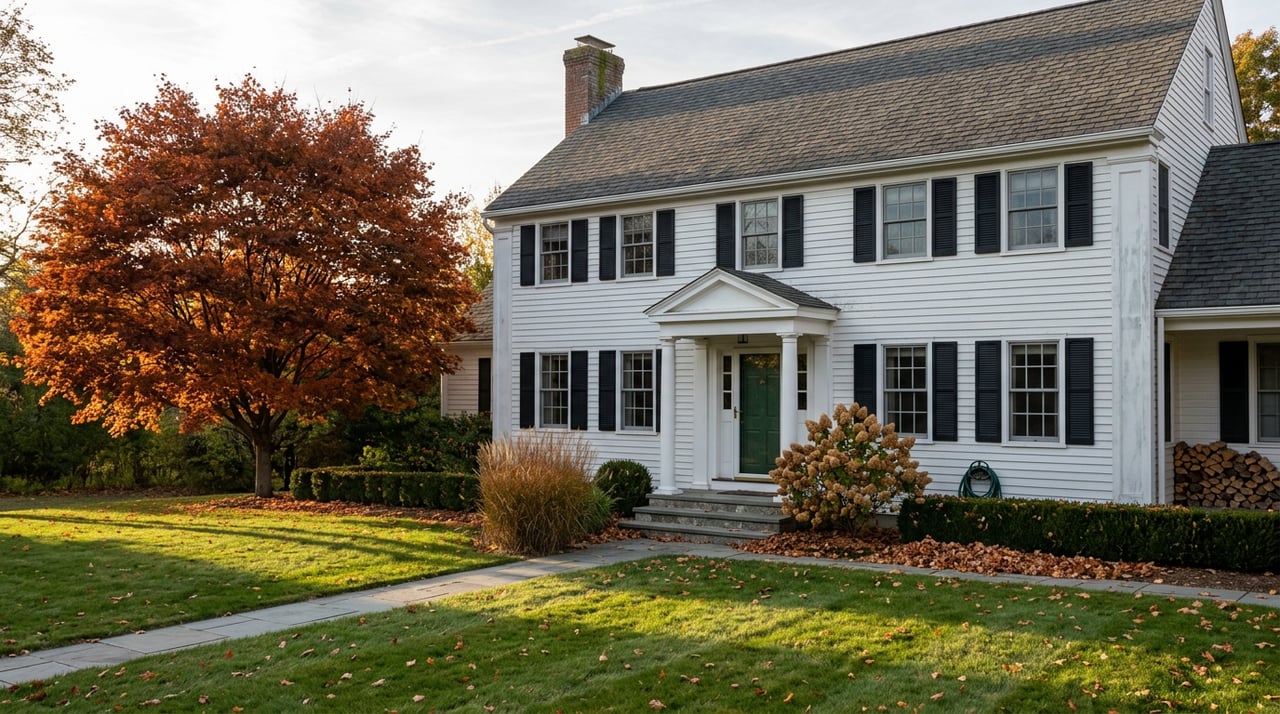
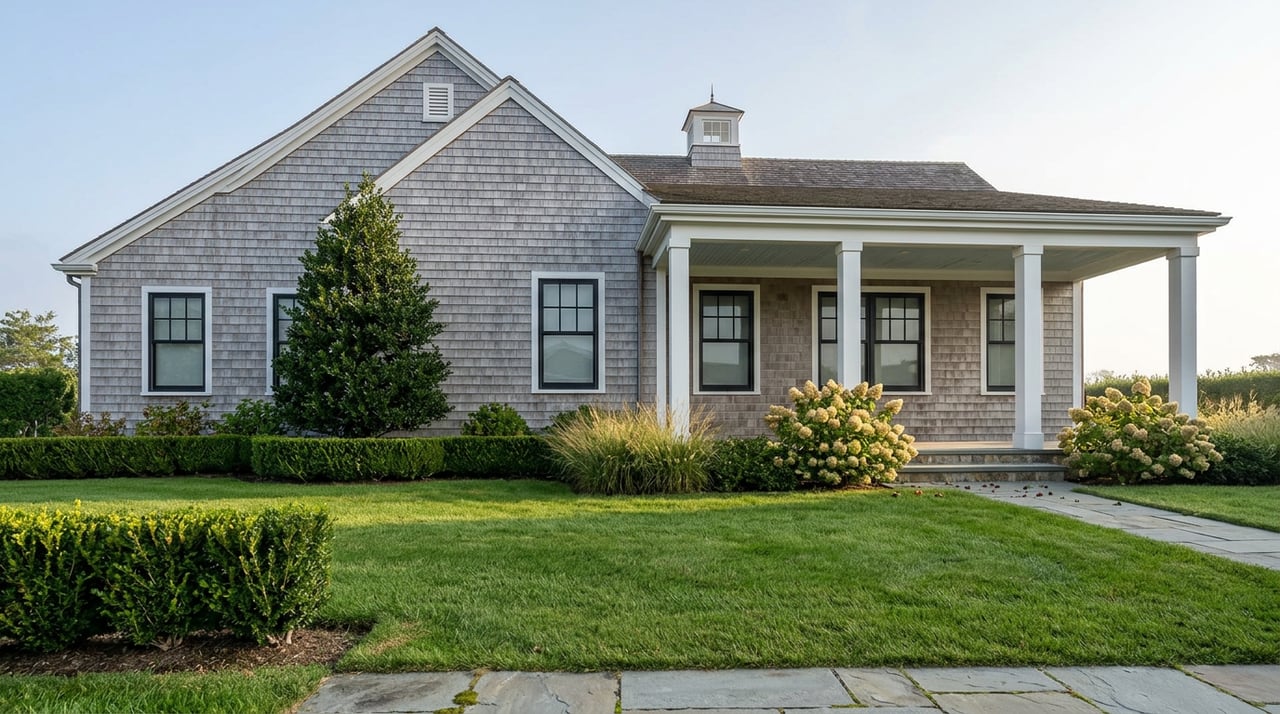
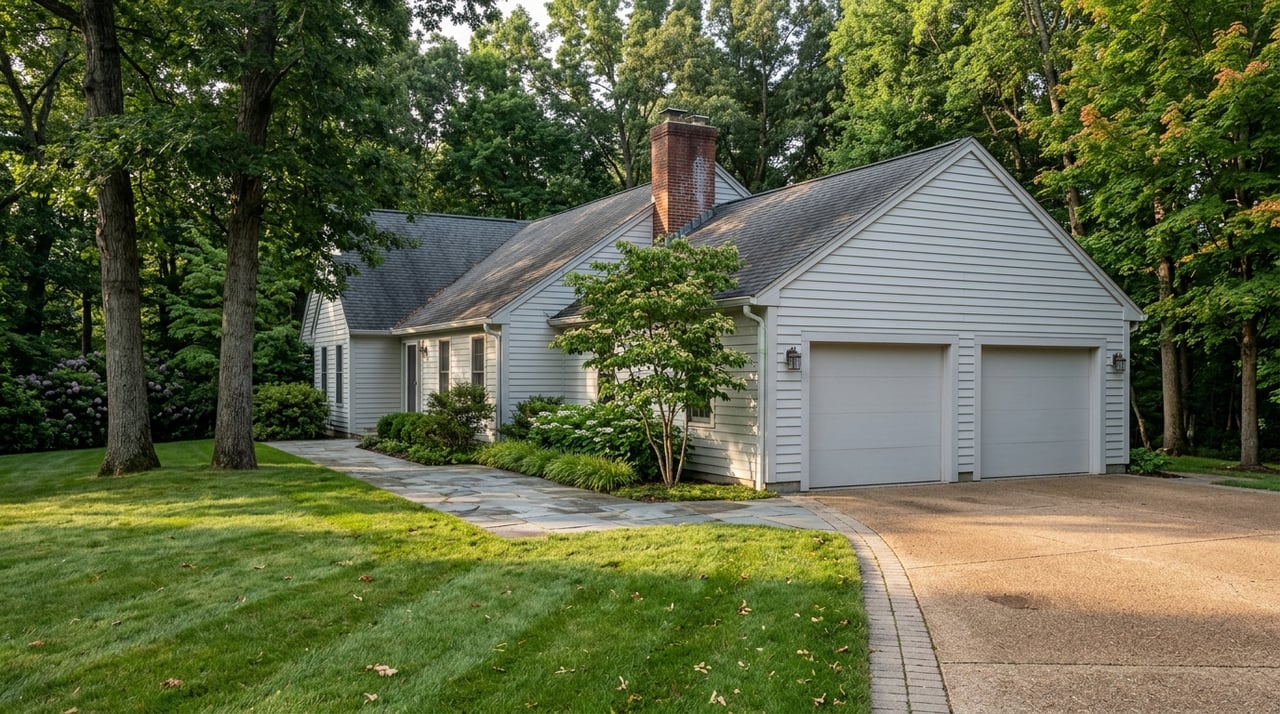
The town’s own description points to one-family homes on mostly large lots, and current listing examples show a range of familiar architectural styles. You may come across Cape Cod, Colonial, and raised-ranch homes, along with properties that blend traditional New England design with more mid-century suburban layouts.
That variety matters because Woodbridge is not a one-note market. Rather than rows of similar homes, you are more likely to see a mix of styles and lot sizes, which can make your home search feel more tailored but also a bit more nuanced.
Woodbridge sits in a higher price tier within the New Haven area. According to Realtor.com’s Woodbridge market overview, the median home sale price was $738,500 in January 2026, with 41 active listings, a median of 65 days on market, and homes selling for about 96% of asking price on average.
A different measure from Zillow’s Home Value Index places the average home value at $652,728 as of January 31, 2026. These numbers are not direct equivalents, but together they suggest a market where buyers should expect a relatively high-value, owner-oriented housing environment.
Longer-term data from the town’s 2025 Plan of Conservation and Development adds even more context. From 2014 to 2023, Woodbridge averaged 112 single-family sales per year, and the median single-family sale price rose 58.3% over that decade.
If outdoor space matters to you, Woodbridge stands out. The town’s trail system is one of its clearest lifestyle advantages, especially for buyers who want regular access to walking paths, wooded areas, and open space close to home.
According to Woodbridge Trails, the town has more than 35 miles of trails across town, land trust, and park association property. The town’s planning documents also identify the Woodbridge Greenway, a 12-mile corridor, along with the West River Greenway and the Naugatuck Trail.
Nearby West Rock Ridge State Park adds another layer of recreation, with access for views, walking, and bicycling. If you want a home base that feels greener and more outdoors-oriented while staying near New Haven, this is one of Woodbridge’s strongest points.
Woodbridge is not built around a large commercial downtown. Instead, the town’s lifestyle is shaped more by civic resources, recreation, and outdoor amenities.
The town highlights community resources such as recreation programs, community events, parks and facilities, trail maps, community gardens, and a business directory. For many buyers, that means the appeal is less about a busy central district and more about a residential setting with strong local infrastructure.
That distinction is important when deciding if Woodbridge fits your routine. If you want nightlife and dense retail at your doorstep, New Haven may still feel like a better daily match. If you want a calmer setting and do not mind driving for many errands or outings, Woodbridge may feel much more comfortable.
If schools are part of your decision-making process, it helps to know the town’s public school pathway. According to the town’s education page, students attend Beecher Road School for pre-K through 6th grade, then Bethany Middle School for grades 7 and 8 through the Amity Regional School System, followed by Amity Regional High School.
As with any move, you may want to confirm current attendance details directly with the district as part of your planning. Having a clear understanding of the school structure can help you compare Woodbridge with nearby towns more effectively.
Woodbridge tends to make the most sense for buyers who want more land, more privacy, and a quieter residential environment while keeping New Haven close by. That can include people commuting into the city for office work, hospital shifts, university-related jobs, or regular access to cultural and dining destinations.
It may also appeal to buyers who want a home with architectural character on a larger lot. Because the housing stock is mostly detached and often set on sizable parcels, Woodbridge can feel especially attractive if your priority is space rather than density.
Every town comes with tradeoffs, and Woodbridge is no exception. Before you decide, it helps to compare what you gain with what you may give up.
Here are a few practical points to think through:
If Woodbridge is on your shortlist, start by clarifying what matters most in your next home. Are you prioritizing commute time, lot size, access to trails, home style, or long-term value? Knowing your top two or three priorities can make your search much more focused.
It also helps to compare Woodbridge directly with other nearby towns rather than looking at it in isolation. Because the market here is shaped by lot size, home style, and proximity to New Haven, small differences between towns can have a big impact on fit and price.
If you are weighing Woodbridge against New Haven-area alternatives, working with a team that understands both city living and nearby suburban markets can save you time and help you narrow the options faster. If you want local guidance on Woodbridge and the towns around New Haven, DiDi Strode can help you evaluate the right fit for your move.
Stay up to date on the latest real estate trends.
Providing strategic guidance in city real estate, ensuring every client finds a home that fits both needs and dreams, while navigating the market with confidence, insight, and a focus on long-term satisfaction.