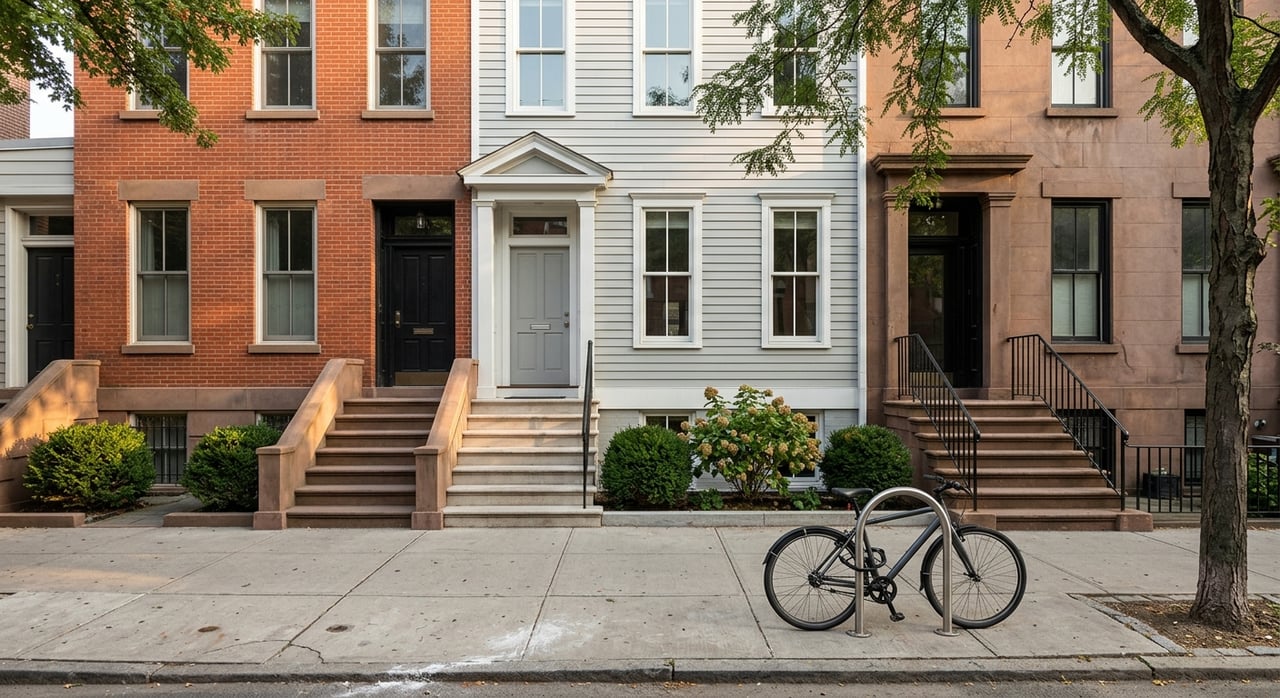
Where Car-Free Living Works Best in New Haven
July 2, 2026
July 2, 2026
Thinking about living in New Haven without a car? You are not alone, and for the right part of the city, it can be a very practical choice. If you want a home that lets you walk to daily errands, catch a train, bike across town, or rely on transit for most trips, New Haven offers more options than many people expect. The key is knowing where car-free living works best, where it becomes more car-light than fully car-free, and how to match your home search to your routine. Let’s dive in.
New Haven is best understood as a car-light city with a strong urban core. The city’s 2025 mobility messaging highlights 22 bus routes, 4 train service lines, 52 miles of bikeways, and airport access. At the same time, the city also acknowledges that some transportation gaps are still hard to close without a vehicle.
That balance matters when you start your home search. If you live close to downtown, Union Station, or the Yale-centered corridor, you can often cover daily life with walking, biking, buses, rail, and the occasional rideshare or microtransit trip. If you move farther from that core, you may need more planning for errands, appointments, or off-hour trips.
New Haven’s size also helps. With an estimated 2024 population of 137,562 and a 2020 population density of 7,170.8 people per square mile, the city is compact enough for many shorter trips to feel manageable without driving.
CTtransit New Haven operates more than 22 local routes, and many run seven days a week. Local buses typically stop every 2 to 3 blocks, which makes them useful for day-to-day trips like grocery runs, appointments, and getting across town.
Current local fares are straightforward. A 2-hour pass costs $1.75, an all-day pass costs $3.50, and local transfers are free. If you are comparing the cost of transit to owning a car, these numbers can make a real difference in your monthly budget.
Union Station is the city’s main transportation hub. It connects New Haven to Metro-North’s New Haven Line, Shore Line East, and Amtrak service, including Acela and Northeast Regional trains.
For many buyers, this is one of New Haven’s biggest strengths. If you need access to New York City, coastal Connecticut, or other regional destinations, living near Union Station can make a car-free or car-light lifestyle much easier.
The station is heavily used, with more than 700,000 Amtrak customers and more than 1 million Metro-North riders each year. That level of use reflects how important the station is to everyday life in New Haven.
Even in a walkable city, first- and last-mile trips matter. New Haven has a few practical backup options when walking or regular bus service is not enough.
The Union Station Shuttle connects rail passengers to New Haven Green and downtown destinations. Via NHV offers on-demand rides by app or phone, with service seven days a week from 7 a.m. to 7 p.m. Standard rides are $1.75, reduced fares are available for low-income and senior riders, and wheelchair-accessible vehicles are available.
If your goal is to live with the fewest transportation compromises, downtown New Haven is the strongest fit. The city describes the historic Ninth Square as walkable, with shops and restaurants, and notes that shopping continues into Chapel West and the Broadway district.
In practical terms, this means you can focus your home search on places where errands, dining, transit, and everyday city life are close together. For buyers who value convenience and want to rely less on a car, this part of New Haven usually offers the clearest match.
Wooster Square stands out for its proximity to Union Station and the broader downtown spine. That location can work well if you want train access, a connected neighborhood feel, and easier access to downtown without needing to drive every day.
It is also part of the city’s broader transit-oriented development focus near Union Station. If regional rail matters to your routine, this area deserves a close look.
These neighborhoods can support a car-light lifestyle, especially if your routine connects to Yale, downtown, or major bike corridors. Yale shuttle routes serve East Rock, Dwight, Edgewood, and nearby stations, which can be especially helpful for Yale-affiliated movers.
Bike infrastructure also strengthens the picture here. The Edgewood cycle track runs through Westville, Edgewood, Dwight, and Downtown with protected separation from traffic on that corridor, making bike trips more practical for commuting and errands.
Fair Haven is improving for car-light living, but it is still more trip-dependent than the downtown core. The city has pointed to neighborhoods like Fair Haven as places where transit gaps are harder to close, even as lower vehicle ownership makes new mobility options especially useful.
Via NHV is relevant here because it includes destinations like Union Station, State Street Station, Yale New Haven Hospital, Yale University, and the New Haven Green. For some households, that can fill in key gaps, but it may still require more trip planning than a home in downtown or near the rail corridor.
Biking is not just recreational in New Haven. The city’s planning language supports a shift away from single-occupant vehicles toward public transit, biking, and walking, and New Haven has earned Silver Bicycle Friendly Community status.
Bike New Haven, the city’s official bike-share program, adds flexibility for short trips. The city also notes a municipal bike station at 200 Orange Street and free bike parking at city meters, which helps make biking more convenient for everyday use.
The city’s trail network has become more useful for practical trips. In spring 2025, the Farmington Canal Heritage Trail was extended from Temple Street to Orange Street and onward toward Long Wharf pier, creating a continuous route through the heart of the city for biking, walking, and running.
For buyers who want a home where biking can replace some driving, this kind of connection matters. It makes cross-city movement feel more direct and less stressful.
Walkability is where New Haven’s downtown neighborhoods shine most. If you want to step outside and reach restaurants, shops, public spaces, and transit on foot, the downtown core offers the strongest day-to-day experience.
That does not mean every errand will be effortless. But if your priorities include a shorter commute, fewer parking worries, and more independence from a car, the core neighborhoods give you the best chance of making that work.
A realistic New Haven routine often mixes several options instead of relying on just one. You might walk to coffee or dinner, take CTtransit for errands, bike to appointments, use rail for regional trips, and call on microtransit or rideshare when timing gets tight.
That is why home location matters so much. A condo or house that looks appealing on paper may feel very different once you map your grocery trips, work commute, train access, and evening plans.
When we help buyers think about car-free or car-light living in New Haven, the most useful question is not simply, “Can I live here without a car?” It is, “How many of my weekly trips can I do comfortably without one?”
If you are searching for a home in New Haven with little or no car dependence, focus on these decision points:
This kind of planning is especially important for relocating buyers. If you are moving to New Haven for Yale, the medical campus, or another local employer, it helps to match your housing search to your actual weekly pattern rather than to a general idea of walkability.
Car-free living in New Haven is very possible for the right buyer in the right part of the city. The strongest fit is usually along the downtown, Yale, and rail corridor, where walking, buses, trains, biking, and short-trip services overlap in a practical way.
If you are considering neighborhoods farther from that core, it is still possible to live car-light, but the tradeoffs become more noticeable. You may need to be more intentional about timing, route choices, and occasional vehicle use.
That is where local guidance can save you time. The difference between a home that supports your routine and one that creates daily friction often comes down to a few blocks, one transit connection, or the quality of your backup options.
If you want help finding a New Haven home that matches the way you actually plan to live, DiDi Strode can help you narrow the neighborhoods, building types, and location tradeoffs that make car-free or car-light living more realistic.
Stay up to date on the latest real estate trends.

Providing strategic guidance in city real estate, ensuring every client finds a home that fits both needs and dreams, while navigating the market with confidence, insight, and a focus on long-term satisfaction.