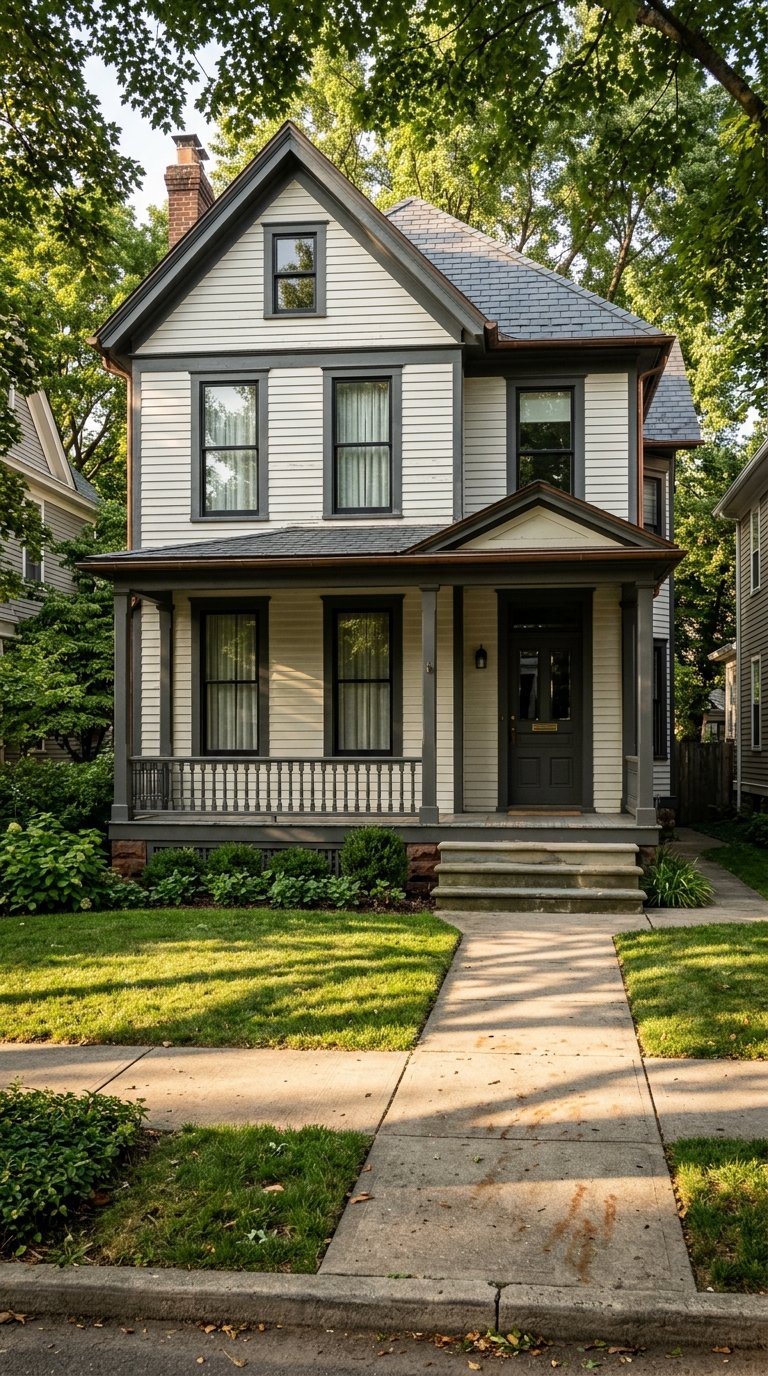
Choosing the Right New Haven Neighborhood Near Yale
July 9, 2026
July 9, 2026
Wondering which New Haven neighborhood makes the most sense if you want to live near Yale? The answer is usually less about picking the "best" area and more about matching your daily routine, commute, and housing style to the right part of the city. If you are relocating for Yale, Yale New Haven Hospital, or the medical school, this guide will help you narrow your options with more confidence. Let’s dive in.
Before you compare blocks, buildings, or listing photos, start with how you plan to get around. Near Yale, your neighborhood choice often comes down to whether you want to walk, bike, ride the shuttle, take the train, or drive.
Yale Transit provides free shuttle and accessible-transit service across the campus area. Shuttle coverage includes East Rock, Central, Med Campus, Dwight, Edgewood, Howe, and Wooster, which can make a real difference if you want flexibility without relying on a car every day.
If you bike, New Haven also maintains official bike maps and protected cycling projects. That matters in neighborhoods like Dwight, Edgewood, East Rock, and Westville, where bike routes can help shape an easier commute.
If you plan to drive, treat parking as a major decision point, not a small detail. Yale notes that parking on residential streets around campus is discouraged, and the City of New Haven publishes residential parking-zone maps.
One of the fastest ways to narrow your search is to decide what kind of home fits your life best. In New Haven, the tradeoffs between a modern downtown condo, an older apartment conversion, and a more residential setting are meaningful.
If you want a newer apartment or condo with modern features, Downtown and Ninth Square should likely be your first stop. If you prefer older homes, pre-war buildings, or architectural character, East Rock, Wooster Square, and parts of Dwight may rise to the top.
If your goal is more space and a quieter setting, Westville may make more sense, even with a longer trip to Yale. For many buyers, that housing-style decision narrows the search faster than price alone.
Downtown is Yale’s Central Campus area and the city’s most urban option. It places you close to restaurants, galleries, concerts, shopping, theater, and the New Haven Green, which can be a major plus if you want your evenings to be as walkable as your workday.
Ninth Square includes some of the newer housing developments in the city. Yale housing guidance describes many downtown buildings as newer and notes that they often include updated kitchens and baths, covered parking, and gyms.
This area is a strong fit if you want condo or apartment living with easy access to amenities and a short trip to Yale’s central campus. It is also worth a look if rail access matters, since State Street Station is very close to Ninth Square.
If you want the shortest commute to Yale New Haven Hospital or Yale School of Medicine, start with The Hill. The neighborhood borders the southern edge of Yale and includes the hospital and medical school area.
The city describes housing in The Hill as a mix of single-family homes, high-rise rental buildings, and condos. That variety can give you more flexibility if you are deciding between ownership and rental-style living.
City Point adds a waterfront setting, a marina, and water-view dining. Together, The Hill and City Point can offer a more residential feel than Downtown while still keeping you close to the medical campus.
There is also longer-term planning around a more walkable, mixed-use Hill-to-Downtown district. If you are moving for medical work and want to stay close to where you spend most of your time, this area deserves a close look.
Dwight sits immediately west of Yale and Downtown, which makes it one of the most practical neighborhoods to consider. It has a mixed housing stock that includes single-family homes, multi-family homes, small apartment buildings, and larger apartment blocks.
This is a good area to explore if you like older residential architecture and want more housing variety. Yale archive material also shows that some older homes in the area were later converted into apartments, which adds to the range of options.
Transit is a real strength here. Yale’s Gold shuttle serves Med School, Dwight, Howe, Edgewood, Central, and Wooster, and the city’s Edgewood Avenue cycle track connects Downtown to Westville through Dwight and Edgewood.
For buyers who want a central location without choosing Downtown, this part of New Haven often offers a useful middle ground. You may get easier access to multiple parts of Yale while still having a more residential setting.
East Rock is often the first neighborhood people picture when they want a classic Yale-area setting. Yale describes it as an area with many multi-family homes and larger apartment buildings, along with local grocers, coffee shops, and other everyday amenities.
Housing here tends to lean older. Yale housing guidance notes that many units are in older houses converted to apartments or in pre-war apartment buildings, often with fewer in-unit amenities than you may find in newer downtown buildings.
That tradeoff is important. If you care more about neighborhood feel, green space, and architectural character than a gym or covered parking, East Rock may feel like a better fit.
East Rock Park and Edgerton Park are major draws here. If you want your New Haven experience to include easy access to outdoor space as well as campus, East Rock belongs high on your list.
Wooster Square is east of Yale and within walking distance of the main campus area. It is centered on Wooster Square Park and is known for older homes, a walkable layout, and a distinct historic setting.
Yale housing guidance notes that it is farther from school than the most central neighborhoods, so commute expectations matter. Still, for many buyers, the tradeoff is worth it because the area feels walkable without being as urban as Downtown.
Wooster Square is also a local historic district. If you are considering a property here, exterior changes and renovation planning may involve more review than they would in a non-district neighborhood.
If you are drawn to historic homes and want a neighborhood with strong identity and easy access to campus, Wooster Square is a natural shortlist option.
Westville sits about two miles west of Downtown and Yale’s main campus. Yale describes it as more residential and somewhat less expensive than the core Yale neighborhoods, which can appeal to buyers who want a little more breathing room.
The city’s planning documents describe Westville Village as a storefront-retail district in historic one- to three-story buildings. That village-style commercial area gives the neighborhood a defined center while still feeling lower-density than the areas closest to campus.
Westville also offers strong outdoor access. It borders Edgewood Park, Yale Bowl, Yale Golf Course, and West Rock Ridge State Park, and Edgewood Park includes walking, jogging, bird-watching, tennis, skating, a dog run, and West River access.
If your priority is a quieter home base and more green space, Westville may be the right tradeoff. You give up some immediate campus proximity, but you may gain a setting that better fits your day-to-day life.
If rail service is part of your routine, station access can help break a tie between neighborhoods. Union Station and State Street Station are the key downtown rail stations.
The free CT Transit Shuttle or Yale shuttle connects Union Station and the New Haven Green on weekdays, and CT Transit bus 272 is also available. For some buyers, that makes Downtown, Ninth Square, and nearby east-side neighborhoods especially appealing.
If you expect frequent trips to other parts of Connecticut or the Northeast Corridor, it is smart to factor station access into your search early. It can matter just as much as square footage.
If you feel stuck between several neighborhoods, use this quick framework:
The goal is not to find a perfect neighborhood on paper. It is to find the area that fits how you actually live.
Choosing a New Haven neighborhood near Yale usually gets easier once you focus on commute, housing type, and daily rhythm instead of trying to compare everything at once. If you want local guidance on downtown condos, historic homes, multi-family options, or relocation planning near Yale, DiDi Strode can help you sort through the choices with a practical, neighborhood-level approach.
Stay up to date on the latest real estate trends.
Providing strategic guidance in city real estate, ensuring every client finds a home that fits both needs and dreams, while navigating the market with confidence, insight, and a focus on long-term satisfaction.